|
 |
What is? | |
FAQ |
 |
|||||||||||||||||||||||||||
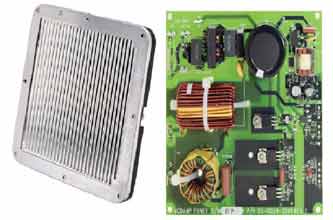
| Concentrated & Selective Audio System® is a ultrasonic-to-audio, parametric sound generator, That, offering a unique approach to reproducing sound that provides multiple performance advantages unachievable with conventional loudspeaker systems. This model is a fully self-contained unit with audio input processing, power amplification, and output emitter device(s). It only requires a source of audio and AC power to be fully functional. | |||||||||||||||||||||||||||
| Why CSAS®? | |||||||||||||||||||||||||||
|
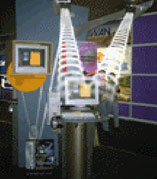
There are many reasons. The first and most important is the ability to direct or focus sound into a tight beam, similar to the beam of light from the flashlight (This is similar to shining a flashlight at a wall in a dark room. You do not see the light from the flashlight, you only see the spot of light on the wall. CSAS® works the same way, except instead of seeing the spot of light on the wall, you hear the "spot" of sound reflected from the wall). No other audio reproduction device available today provides this unique ability. |
 |
|||||||||||||||||||||||||
| Advantages | |||||||||||||||||||||||||||
|
|||||||||||||||||||||||||||
| How does CSAS® operate differently from conventional loudspeakers? | |||||||||||||||||||||||||||
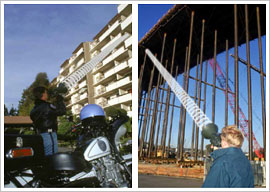
| CSAS® technology is quite different from conventional loudspeaker technology. A loudspeaker simply converts an electrical signal containing audio information to audible sound by vibrating the loudspeaker diaphragm. The sound produced by a loudspeaker can generally be heard anywhere in the vicinity of the loudspeaker. CSAS®, on the other hand, emits sound in a highly controlled, narrow beam, so that CSAS® sound can be heard only if you are “in the beam”, we refer to this as using the CSAS® device in the Direct Mode, however, if the listener is not in the beam and the sound column strikes a surface, the sound will be reflected back into the environment. What the listener will hear, is the reflected sound from the surface. The listener will perceive the sound as originating on the reflective surface because that is, in fact, the direction of the sound is coming from when he or she hears it. Using CSAS® in this mode is known as Virtual Mode. |
|||||||||||||||||||||||||||
| What are some typical applications for CSAS® technology? | |||||||||||||||||||||||||||
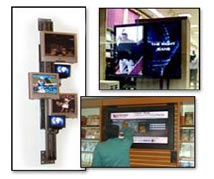
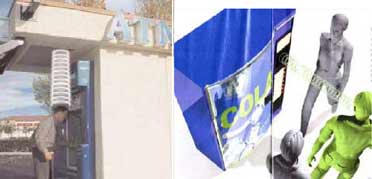
| The unique ability to control and direct sound obviously creates new opportunities for designers, architects, and engineers to implement and use sound as never before. CSAS® is applicable in any situation where it is desirable to limit the ability to hear sound to a well-defined space and to eliminate the ability to hear sound where it is not wanted or needed. CSAS® can also be used to create virtual loudspeakers, so that the sound appears to be coming from an area where it would be impractical or impossible to place a loudspeaker.
|
|||||||||||||||||||||||||||
| Demo | |||||||||||||||||||||||||||
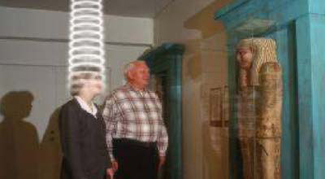
| This DEMO requires Macromedia Flash 6. you are about to enter in a museum hall where five old greek statues are exhibited. Each statue has on its top the SASC. When the visitor is close to a statue he/she will listen the specific description about it. While all speakers are reproducing simultaneously, the visitor will listen the nearest speaker without being distracted by the sound of the other statues' description (placed in the same hall). the visitor is not capable to listen any sound if its not near to the exhibited statues. To see the DEMO click here |
|||||||||||||||||||||||||||